Collection: Historical Photography Photos
Famous Historical Vintage Photography
Sports, Film, History
FAQ: Why Collect Historical Photography?
Why is collecting historical photography so rewarding?
Collecting historical photography allows you to own a genuine visual moment from the past. Unlike reproductions or modern prints, original historical photographs were created during the era they depict. They capture real people, places, and events exactly as they existed, making each photograph both a work of art and a piece of authentic history.
What makes historical photographs valuable to collectors?
Historical photographs are valued for their authenticity, rarity, and documentary significance. Many early photographs, such as antique albumen prints, cabinet cards, and early gelatin silver prints, were produced in limited numbers and often survive in small quantities today. Collectors appreciate them for their historical importance, artistic composition, and connection to the past.
What types of historical photographs are popular with collectors?
Collectors often seek historical photographs related to famous events, notable people, early aviation, sports history, Hollywood cinema, exploration, transportation, and everyday life from past centuries. Images that document important cultural moments or iconic subjects tend to be especially desirable.
Are historical photographs considered real artifacts?
Yes. Original historical photographs are considered primary historical artifacts because they were created during the time period they document. Many were produced by professional photographers, news agencies, or studios, making them valuable firsthand visual records of history.
How can you tell if a historical photograph is authentic?
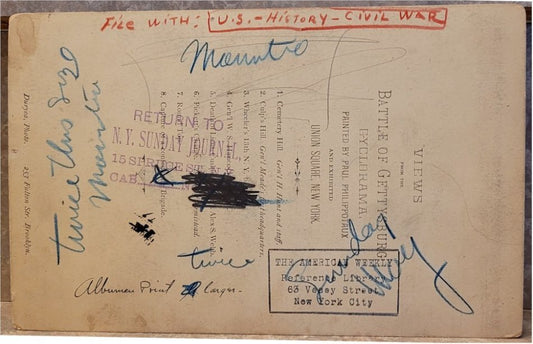
Authentic historical photographs often have characteristics that reflect their era of production, including original photographic paper, studio stamps, period mounting, handwritten captions, or agency markings. Experienced collectors also examine the photographic process used, such as albumen prints from the 1800s or early gelatin silver prints from the early 20th century.
Important Note:
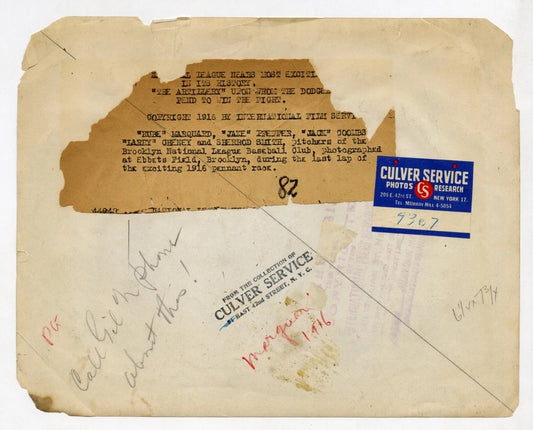
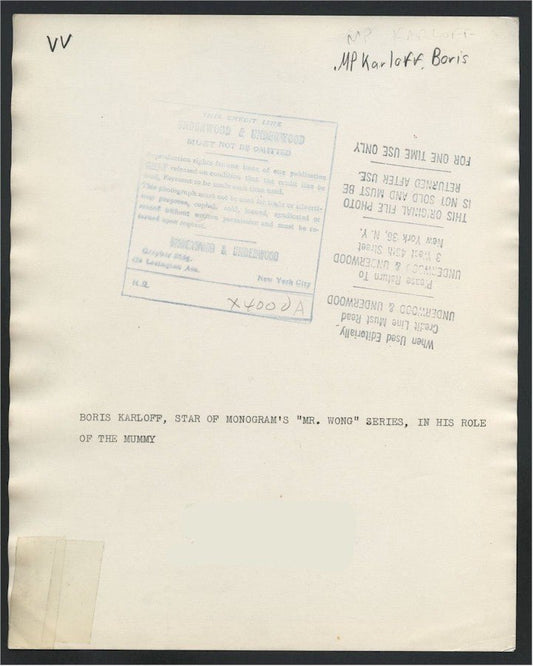
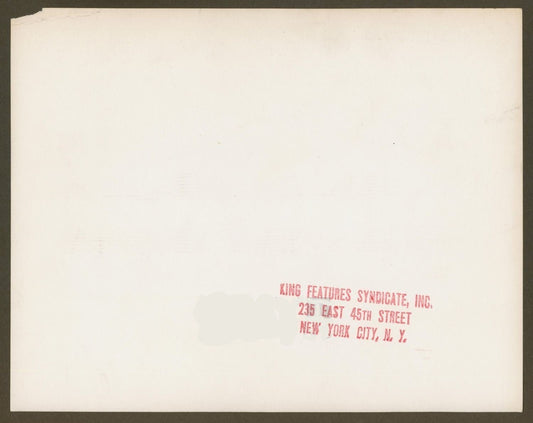
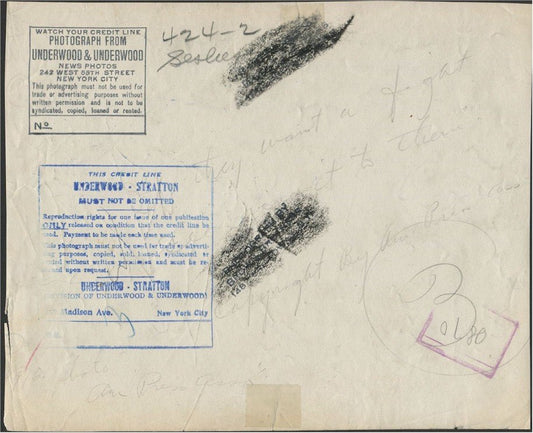
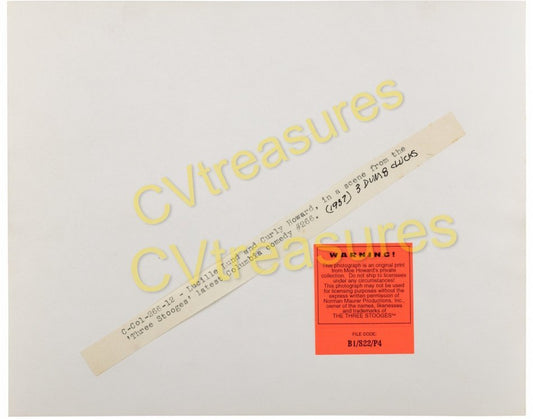
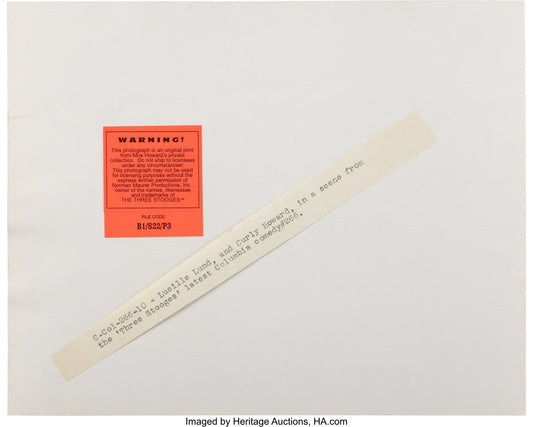
The most important way to certify a TYPE I photo is the Provenance on the back. There is no more credible way to prove a Type I then if the back has stamps, dates and Press Release snipes that are the most valuable to collectors as the press release snipes often gives a documented history and dates of photo publication. Even if a photo has been PSA’d, seasoned collectors will pay More for a photo with such provenance on the back vs one that does not. I actually have customers that will Not buy a historical photo, even if it has PSA Certified, if it has a blank back. As one long time client said to me "the back of the photo is most important as that is where all the dirty little secrets are".
However, some TYPE I photos not destined for media publication had no need for snipes, like the movie theater photo stills.
How to Authenticate Vintage Photographs (Type 1, Type 2, Type 3, and Type 4)
What is a Type 1 photograph?
A Type 1 photograph is an original print made from the original negative within approximately two years of when the photograph was taken. These prints were typically produced by the photographer, studio, or news agency that originally captured the image. Because they were created closest to the moment the photograph was taken, Type 1 photographs are considered the most desirable and historically significant classification for collectors.
Why are Type 1 photographs more valuable?
Type 1 photographs represent the earliest generation print of an image and were usually created during the actual historical period the photograph documents. For collectors of sports photography, Hollywood images, aviation photography, and historical events, Type 1 prints provide the closest connection to the original moment in history, which is why they often command the strongest collector demand.
What is the difference between Type 1, Type 2, Type 3, and Type 4 photographs?
Collectors classify vintage photographs into four general categories:
Type 1 Photograph
Printed from the original negative within roughly two years of the photo being taken.
Type 2 Photograph
Printed from the original negative but produced more than two years after the photo was taken.
Type 3 Photograph
A vintage print created from a duplicate negative, meaning it is one generation removed from the original source.
Type 4 Photograph
A modern reproduction made from a copy negative or digital reproduction, typically produced long after the original image was created.
Understanding this classification helps collectors determine how close a photograph is to the original image source.
What should collectors look for when buying historical photographs?
When collecting historical photography, experienced collectors often look for:
- Original photographic paper consistent with the era
- Agency or studio stamps on back identifying the image source
- Press release snipes on back that often gave a history on the photo
- Period captions or archive markings
- Evidence of publication use
- Known photographers or important historical subjects
- Studio photo identification numbers that can usually be traced back to the date studio and film.
These characteristics help establish authenticity and strengthen the historical significance of the photograph.
-
CIVIL WAR Historical Tintype Photo Union Soldier STUNNING Displaying A Massive Revolver 1860s
Regular price $1,250.00 USDRegular priceUnit price per -
Civil War Union Soldier Tintype Photo Triple armed
Regular price $1,250.00 USDRegular priceUnit price per -
Daguerreotype - RARE 1/4 plate Gorgeous Pre-Civil War era Histroic Photo Circa 1855
Regular price $1,250.00 USDRegular priceUnit price per -
Apollo 11 Landing Original Vintage Type I Historical Space NASA Photo Color Masterpiece Photo Buzz Aldrin Guaranteed Authentic
Regular price $1,250.00 USDRegular priceUnit price per -
Casablanca Original Vintage TYPE 1 Historic Film Photo Bogart Bergman 1942
Regular price $1,250.00 USDRegular priceUnit price per -
Original Historical Vintage Type 1 Photo BROOKLYN DODGERS Classic Sports Memorabilia Baseball photo 1916
Regular price $1,200.00 USDRegular priceUnit price per -
Mickey Mantle Joe DiMaggio Original Historical Baseball Photograph Sports Photo Type 1
Regular price $975.00 USDRegular priceUnit price per -
Jack Johnson Original Vintage TYPE 1 Boxing Sports Photo, 1926
Regular price $975.00 USDRegular priceUnit price per -
Marilyn Monroe STUNNING "MISFITS" Authentic Original Vintage Type 1 Historic Photograph 1961
Regular price $950.00 USDRegular priceUnit price per -
MUMMY Original Vintage Horror Movie still photo Boris Karloff TYPE I 1932 b
Regular price $950.00 USDRegular priceUnit price per -
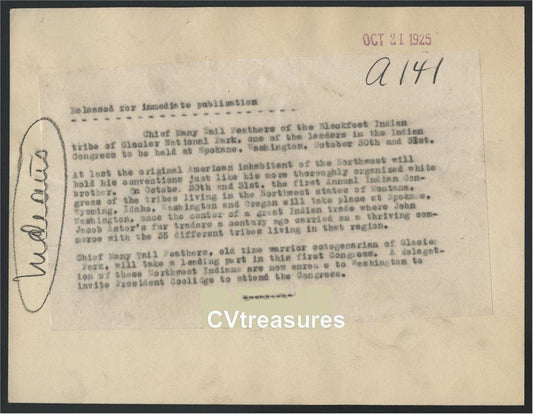
Indian Chief Many Tail Feathers Original Antique Type 1 Historical Photo 1925
Regular price $950.00 USDRegular priceUnit price per -
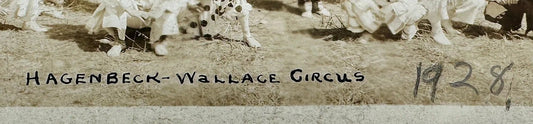
Vintage Circus Posters Memorabilia Collectibles Hagenbeck-Wallace Circus Panoramic Photograph 1928
Regular price $950.00 USDRegular priceUnit price per -
WALT DISNEY Original Vintage TYPE I Historical Photo with Mickey Mouse Steamboat Willie
Regular price $950.00 USDRegular priceUnit price per -
STUNNING Civil War Historical Tintype Photo BLACK Union Soldier RARE RARE
Regular price $950.00 USDRegular priceUnit price per -
World War 2 WWII Original Navy Invasion Historical Masterpiece Photograph Vintage Photo TYPE 1 Operation Cyclone 1944
Regular price $950.00 USDRegular priceUnit price per -
Historical Type I Photo 19th Century Western Buffalo Wild Bill Cody 1880
Regular price $950.00 USDRegular priceUnit price per -
Historic Photographs Abraham Lincoln Andrew Johnson 1864 Presidential Campaign
Regular price $950.00 USDRegular priceUnit price per -
Judy Garland Historic Photo Amazing Original Authentic Vintage TYPE I Photograph Clarence Bull
Regular price $950.00 USDRegular priceUnit price per -
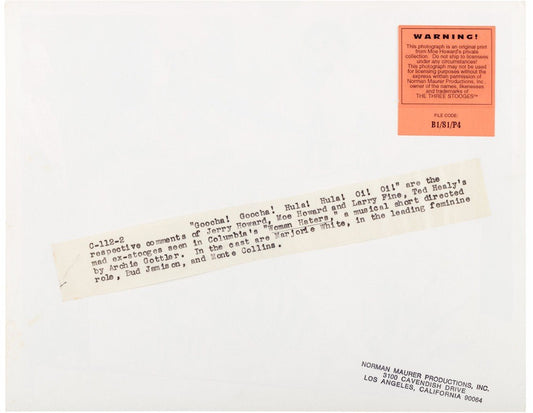
Women Haters RARE 3 Three Stooge Vintage TYPE I Photo 2
Regular price $950.00 USDRegular priceUnit price per$0.00 USDSale price $950.00 USD -
Women Haters RARE 3 Three Stooge Original Authentic Vintage Columbia Short TYPE I Photo Still CURLY
Regular price $950.00 USDRegular priceUnit price per -
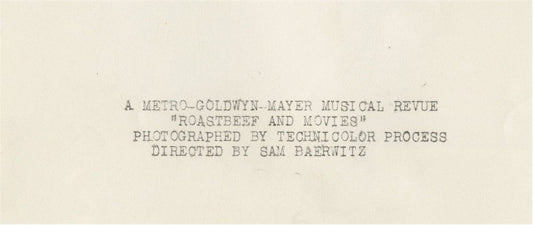
ROASTBEEF & MOVIES Super Rare Jerry Curly Howard Three Stooges Original Vintage TYPE 1 Still Photo Three 3 Stooges memorabilia collectibles 2
Regular price $950.00 USDRegular priceUnit price per -
Rita Hayworth Original Vintage TYPE I Gilda Keybook photo
Regular price $950.00 USDRegular priceUnit price per -
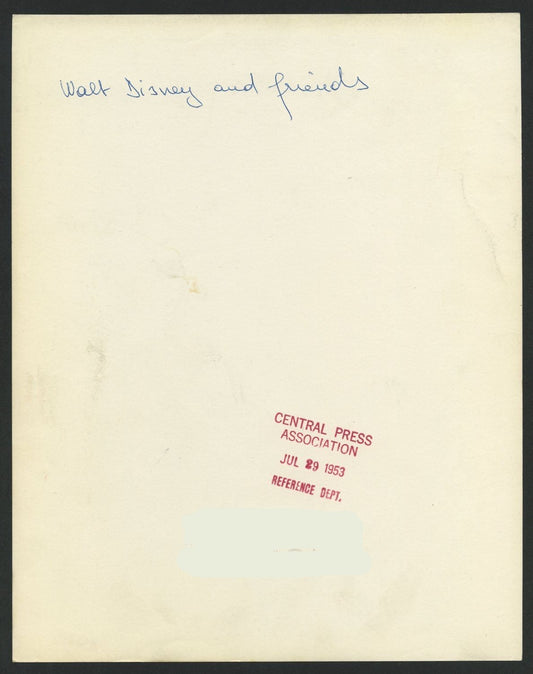
WALT DISNEY Original Vintage TYPE I Historical Photo with Mickey Mouse Donald Duck 1953
Regular price $950.00 USDRegular priceUnit price per -
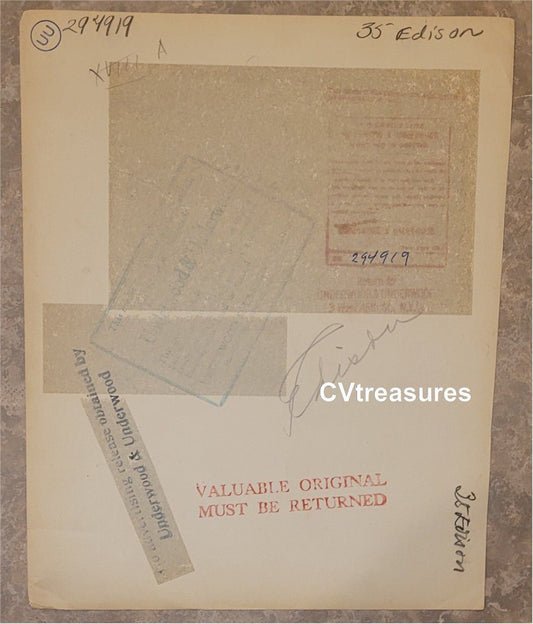
Thomas Edison Original Authentic Vintage Historical TYPE I Photo 1925
Regular price $950.00 USDRegular priceUnit price per -
Teddy Roosevelt Original Vintage Historical Photo Obscene Gesture
Regular price $950.00 USDRegular priceUnit price per -
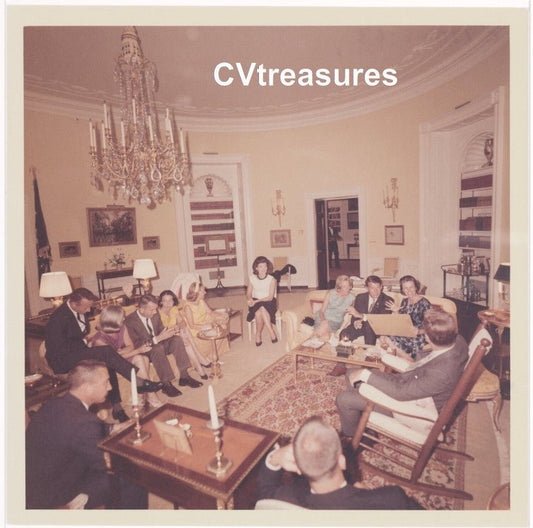
John F. Kennedy JFK Jackie Original Vintage Type 1 Photograph
Regular price $950.00 USDRegular priceUnit price per -
JOHN WAYNE Dean Martin Vintage Photo Sons of Katie Elder
Regular price $950.00 USDRegular priceUnit price per -
Judy Garland 13 year Old Original Authentic Vintage Historic TYPE I Photo Clarence Bull 1935
Regular price $950.00 USDRegular priceUnit price per -
MARILYN MONROE Original Vintage ABC Special TYPE I Historic Photo
Regular price $950.00 USDRegular priceUnit price per -
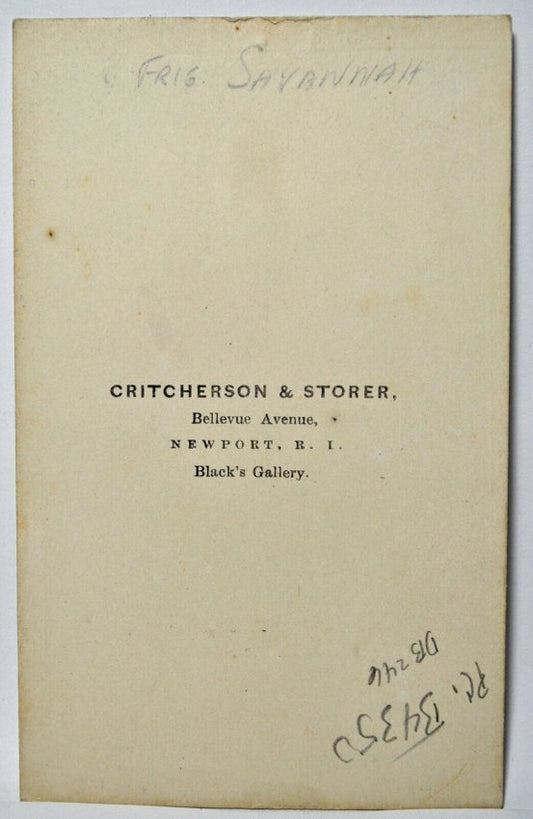
Civil War Fighting Navy Ship Vessel USS Savanna Photo CDV
Regular price $950.00 USDRegular priceUnit price per -
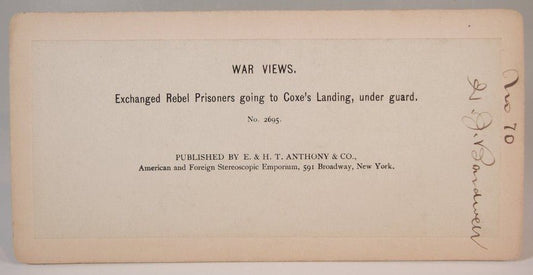
Civil War period Stereoview Photograph by Mathew Brady
Regular price $950.00 USDRegular priceUnit price per -
BEATLES Original RARE Authentic Vintage Historic TYPE I Photo Scottish TV 1963
Regular price $950.00 USDRegular priceUnit price per -
Abraham Lincoln Historical Civil War Era Antique Photograph J. Gurney Period Frame Guaranteed Authentic
Regular price $950.00 USDRegular priceUnit price per$1,250.00 USDSale price $950.00 USDSale -
Battle of Gettysburg Historic Civil War Photography TYPE I
Regular price $950.00 USDRegular priceUnit price per -
3 Dumb Clucks Three Stooges Original Authentic Vintage Columbia Short TYPE I Photo Still CURLY
Regular price $950.00 USDRegular priceUnit price per -
3 Dumb Clucks Three Stooges Original Authentic Vintage Columbia Short TYPE I Photo Still CURLY 2
Regular price $950.00 USDRegular priceUnit price per