Collection: Historic Sports Photography
Historic Photography Sports, Baseball, Boxing
TYPE I Photographs
FAQ: Collecting Vintage Sports Photographs
Why are vintage sports photographs so collectible?
Vintage sports photographs are highly collectible because they capture real moments from sports history. Unlike modern prints, original photographs were often created at the time of the event, making them authentic visual records of legendary athletes, teams, and iconic games.
What makes a vintage sports photo valuable?
Value depends on factors such as the athlete featured, historical significance, rarity, condition, and whether the photograph is an original print. Images of major moments, championship events, or famous players tend to be especially desirable among collectors.
What is a Type 1 sports photograph?
A Type 1 photograph is an original print made from the original negative within approximately two years of when the image was taken. These are considered the most desirable and valuable type of vintage sports photographs because they are closest to the original moment.
Are vintage sports photos different from reprints?
Yes. Original vintage photographs were produced during the era they depict, often for newspapers or archives. Reprints are later copies and do not carry the same historical authenticity or collector value.
How can you tell if a sports photograph is authentic?
Collectors evaluate factors such as photographic paper, printing method, aging characteristics, stamps, and captions on the reverse. Comparing the image to known originals and understanding photo classifications (Type 1, Type 2, etc.) also helps confirm authenticity.
Important Note:
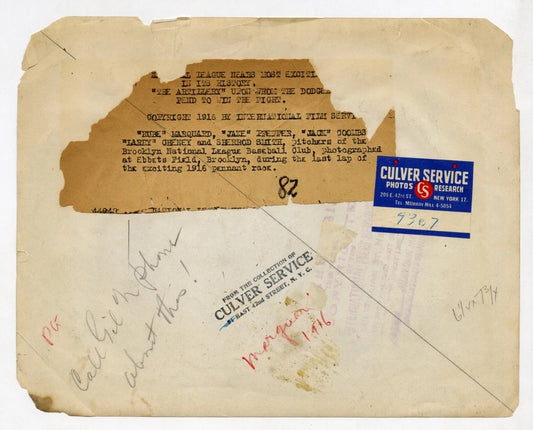
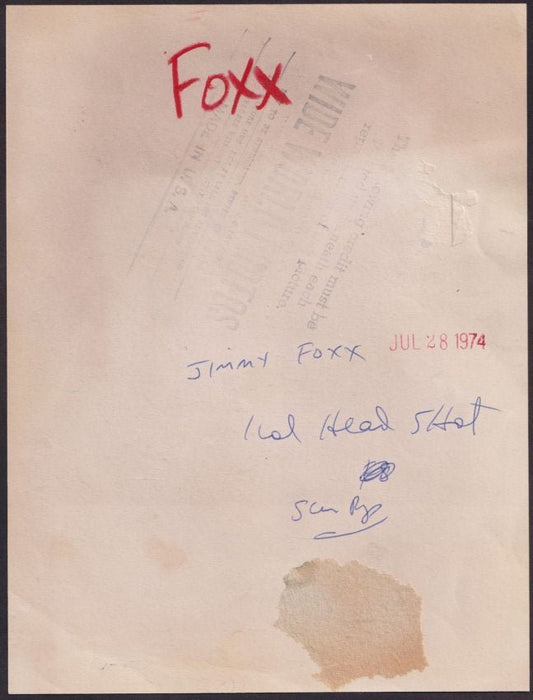
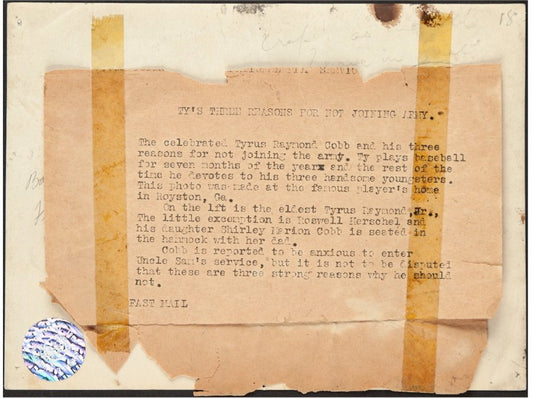
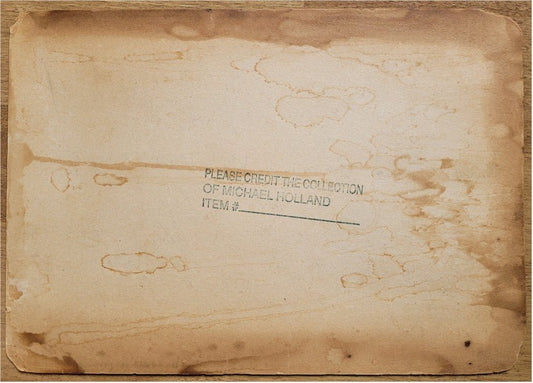
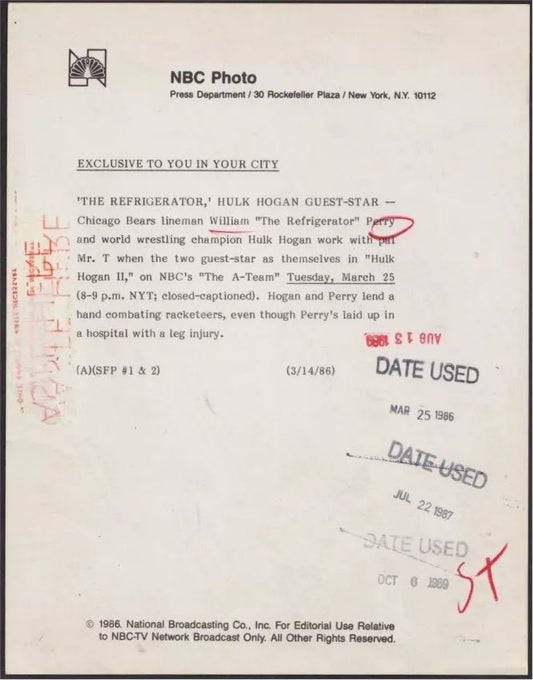
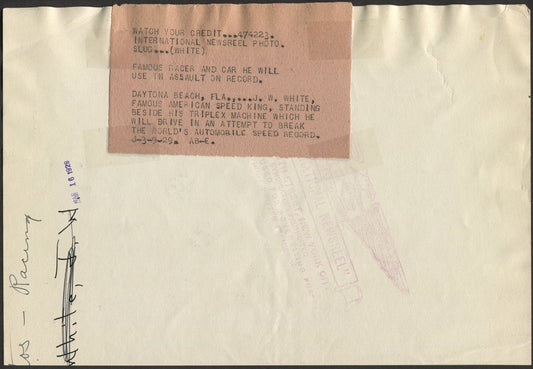
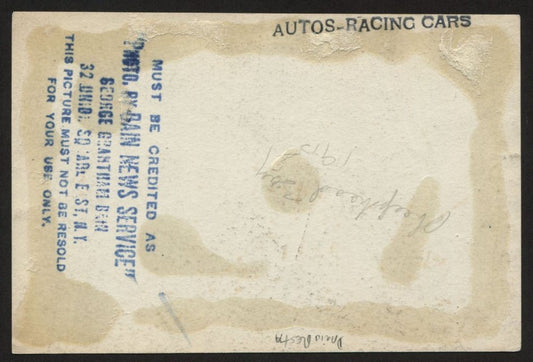
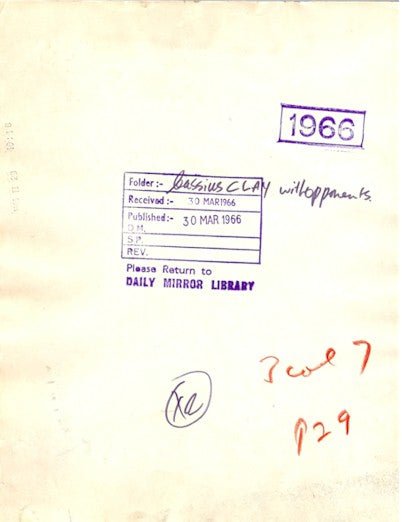
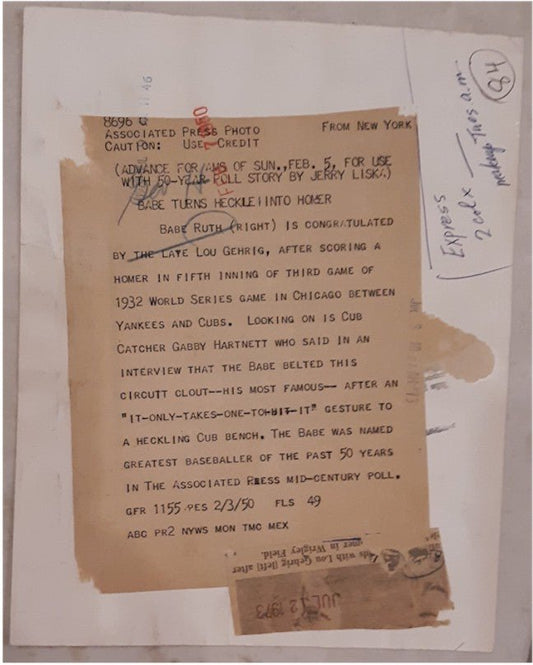
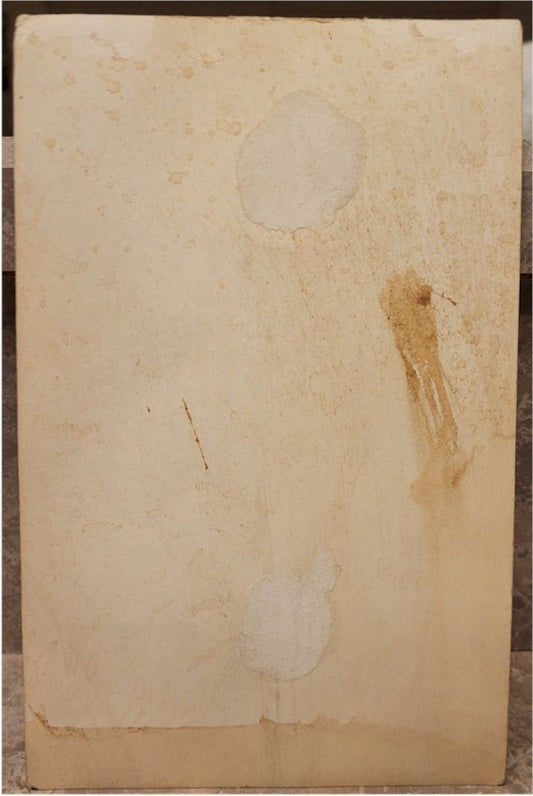
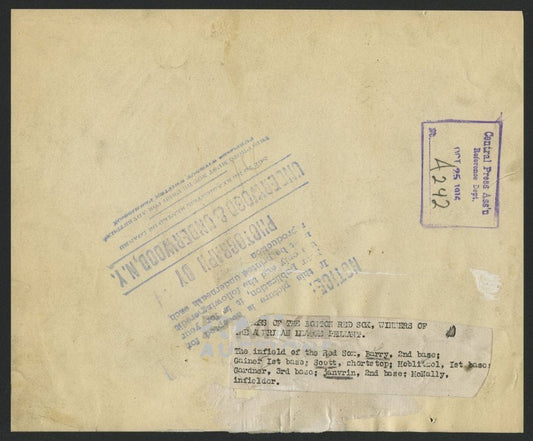
The most important way to certify a TYPE I photo is the Provenance on the back. There is no more credible way to prove a Type I then if the back has stamps, dates and Press Release snipes that are the most valuable to collectors as the press release snipes often gives a documented history and dates of photo publication. Even if a photo has been PSA’d, seasoned collectors will pay More for a photo with such provenance on the back vs one that does not. I actually have customers that will Not buy a historical photo, even if it has PSA Certified, if it has a blank back. As one long time client said to me "the back of the photo is most important as that is where all the dirty little secrets are".
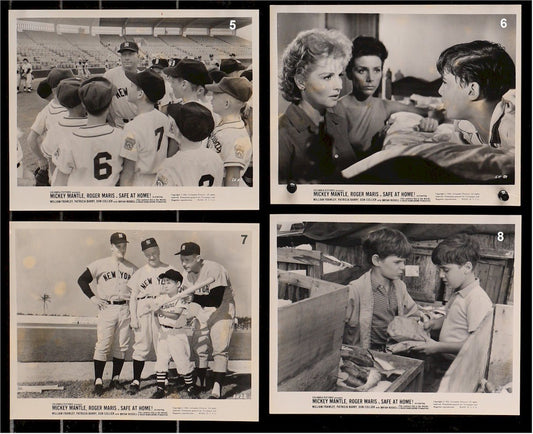
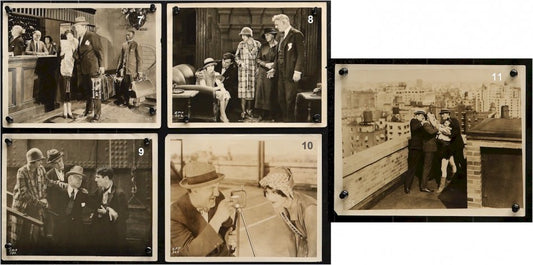
However, some TYPE I photos not destined for media publication had no need for snipes, like the movie theater photo stills.
Why do collectors prefer original press photographs?
Original press photos were used by newspapers and wire services to document real events as they happened. They often include stamps, captions, and editorial markings that add historical context and authenticity.
How should vintage sports photographs be preserved?
Collectors typically store photographs in archival sleeves or holders, away from light, heat, and humidity. Proper storage helps maintain image quality and protects the photograph for long-term collecting.
How to Tell If a Sports Photo Is Type 1
What is a Type 1 sports photograph?
A Type 1 photograph is an original print made from the original negative within approximately two years of when the image was taken. These are considered the most desirable and valuable photographs in sports memorabilia collecting.
Why are Type 1 sports photos more valuable?
Type 1 photos are closest to the original moment captured. Because they are first-generation prints created at the time of the event, they offer the highest level of authenticity and are strongly preferred by serious collectors.
How can you identify a Type 1 photograph?
Collectors look for several key indicators:
- Sharp image quality with strong contrast and fine detail
- Vintage photographic paper consistent with the era
- Original press stamps or agency markings on the reverse
- Period captions or editorial notes attached to the back
- Dates that match the timeframe of the event
What are signs a photo is NOT Type 1?
- Grainy or low-resolution image quality
- Printed from a duplicate or transmitted image (such as wire photos)
- Modern paper or overly bright, clean appearance
- Dates that are many years after the original event
Are all press photos Type 1?
No. While many press photos are Type 1, others may be Type 2, Type 3, or Type 4, depending on when and how they were printed. For example, wire photos are typically not Type 1 because they are printed from transmitted copies rather than the original negative.
Does condition affect whether a photo is Type 1?
Condition does not determine classification, but natural aging—such as slight wear, toning, or handling marks—can support authenticity. Many original press photos show signs of use from archives or newsrooms.
-
Lou Gehrig Vintage Sports Memorabilia Baseball Yankees Photo Rare TYPE 1 Picture Final Season PSA certified A++
Regular price $2,750.00 USDRegular priceUnit price per -
Babe Ruth Historical Original PSA Authentic Vintage Type 1 Photo Classic Sports Memorabilia Baseball photos 1935 A++
Regular price $1,500.00 USDRegular priceUnit price per -
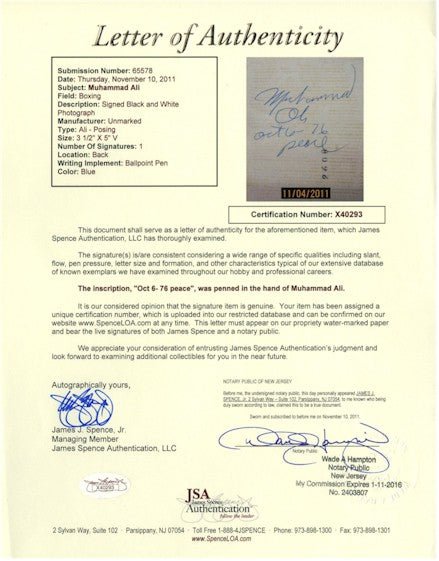
Muhammad Ali Genuine Signed Sports Autograph Vintage Boxing Memorabilia with Candid Polaroid Photos JSA
Regular price $1,450.00 USDRegular priceUnit price per -
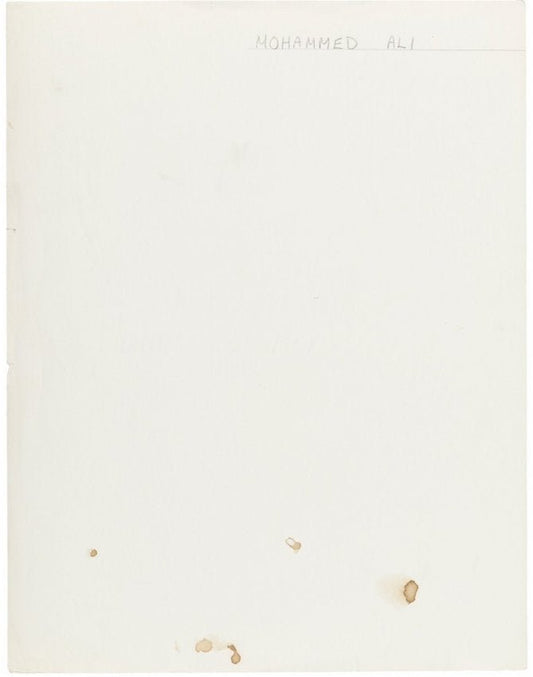
Muhammad Ali Historic Type I Photograph Boxing Sports Photo Training 1960s
Regular price $1,250.00 USDRegular priceUnit price per -
Original Historical Vintage Type 1 Photo BROOKLYN DODGERS Classic Sports Memorabilia Baseball photo 1916
Regular price $1,200.00 USDRegular priceUnit price per -
Mickey Mantle Joe DiMaggio Original Historical Baseball Photograph Sports Photo Type 1
Regular price $975.00 USDRegular priceUnit price per -
Jack Johnson Original Vintage TYPE 1 Boxing Sports Photo, 1926
Regular price $975.00 USDRegular priceUnit price per -
Jimmie Foxx Rare TYPE I Baseball Historical Photo Sports Memorabilia Picture 1942
Regular price $850.00 USDRegular priceUnit price per -
Ty Cobb and Children Original Vintage Type 1 Photo Baseball Sports Memorabilia
Regular price $750.00 USDRegular priceUnit price per -
Jack Johnson James Jeffries Original Vintage Boxing Sports Memorabilia Historic photo 1910
Regular price $750.00 USDRegular priceUnit price per -
The A-Team Vintage Sports Memorabilia Type 1 Historical Photo Hulk Hogan Mr T Fridge Perry
Regular price $650.00 USDRegular priceUnit price per -
Champion Race Car Driver Original Vintage Historical Photo TYPE 1 Daytona 500 1929 Racing Sports Memorabilia
Regular price $595.00 USDRegular priceUnit price per -
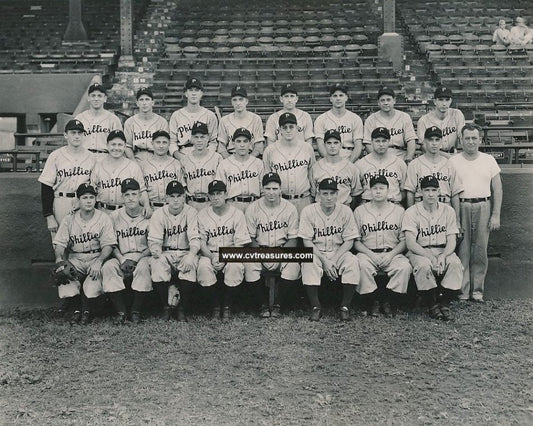
Jimmie Foxx Vintage Baseball Team TYPE I Photo Sports memorabilia Philadelphia Phillies
Regular price $575.00 USDRegular priceUnit price per -
Jimmie Foxx Boston Red Sox Original Vintage Historic TYPE I Baseball Photo Sports Memorabilia 1940
Regular price $550.00 USDRegular priceUnit price per -
Champion Race Car Driver Original Vintage TYPE 1 Historical Sports Memorabilia Photograph Indy 500 Racing Memorabilia, 1915
Regular price $475.00 USDRegular priceUnit price per$0.00 USDSale price $475.00 USD -
Muhammad Ali Cassius Clay Original vintage fight boxing sports photo 1966
Regular price $375.00 USDRegular priceUnit price per -
BOSTON BRUINS 1931 Original Rare Vintage TYPE I Photograph Photo Hockey Sports Memorabilia aerial
Regular price $350.00 USDRegular priceUnit price per -
BOSTON BRUINS 1929 Original Rare Vintage TYPE I Photograph Photo Hockey Sports Memorabilia
Regular price $350.00 USDRegular priceUnit price per -
Babe Ruth Lou Gehrig Original Vintage Baseball Photo Sports Memorabilia
Regular price $275.00 USDRegular priceUnit price per -
Jack Johnson Original Vintage Boxing Sports Photo facsimile signature
Regular price $250.00 USDRegular priceUnit price per -
Pride of the Yankee Original Vintage SPorts Movie Photo Gary Cooper
Regular price $250.00 USDRegular priceUnit price per -
Pride of the Yankees Vintage Movie Photo Still Babe Ruth Sports Memorabilia 2
Regular price $175.00 USDRegular priceUnit price per -
Pride of the Yankees Vintage Movie Photo Still Babe Ruth Classic Sports Memorabilia 3
Regular price $175.00 USDRegular priceUnit price per -
SAFE AT HOME Original Vintage Sports Memorabilia Baseball Photos Stills Mickey Mantle Roger Maris 1962
Regular price $150.00 USDRegular priceUnit price per$0.00 USDSale price $150.00 USD -
BOBBY ORR Original Vintage Photograph Photo Hockey Boston Bruins Sports Memorabilia B
Regular price $125.00 USDRegular priceUnit price per -
Bobby Orr Original Vintage Photograph Photo Hockey Bruins Sports Memorabila TYPE 1 Photo
Regular price $125.00 USDRegular priceUnit price per -
PLAY BALL Original Vintage Baseball Movie Photos New York Giants Classic Sports Memorabilia Type 1 Photos
Regular price $125.00 USDRegular priceUnit price per -
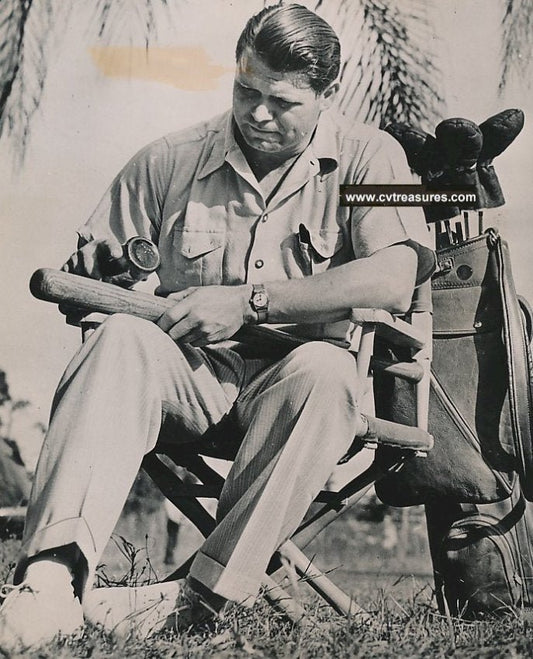
Historic Sports TYPE 1 Movie Photo HOW I PLAY GOLF Golf Legend BOBBY JONES Vintage Sports Memorabilia 1931
Regular price $0.00 USDRegular priceUnit price per -
Historic Sports TYPE 1 Photo Golf Legend BOBBY JONES Vintage Sports Memorabilia
Regular price $0.00 USDRegular priceUnit price per -
Babe Ruth Vintage Sports Memorabilia Rare TYPE I PSA Authentic Baseball Yankees Historic Photo Picture Classic
Regular price $0.00 USDRegular priceUnit price per$0.00 USDSale price $0.00 USDSold out -


BABE RUTH Rare Vintage TYPE 1 Baseball Yankees Historical Photo Picture Sports Memorabilia 1925
Regular price $0.00 USDRegular priceUnit price per$0.00 USDSale price $0.00 USDSold out -
Boston Bruins 1970 Authentic Vintage Signed Autographed LARGE Sports Poster Photo Bobby Orr Classic Sports Memorabilia Beckett
Regular price $0.00 USDRegular priceUnit price per -
Boston Red Sox 1916 RARE TYPE 1 Vintage Baseball HIstorical Sports Memorabilia Photo
Regular price $0.00 USDRegular priceUnit price per -

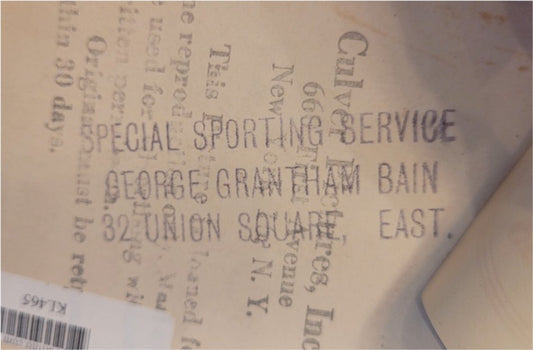
Red Sox Rare Baseball TYPE I Historic Vintage Sports Photo George Bain 1914 sports memorabilia
Regular price $0.00 USDRegular priceUnit price per